Category: POTA

Information about my Parks On The Air Activations

  • The End Fed Half Wave Antenna

    The End Fed Half Wave Antenna

    My trusty 20M GP antenna, is a much-loved and proven favourite for operations away from the home QTH. Recent experience has made clear however that It’s not ideal for POTA, SOTA and other short term /P activations. It’s relatively heavy at about 2kgs, and it takes about 15 minutes to set up. Of course, it’s also a single band antenna. That, above all else is a bit limiting.

    In my many forays into the world of antennas over the years, I’d occasionally come across the “End Fed Half Wave” antenna – EFHW – but I didn’t pay much attention. I finally did take notice when I went looking for a POTA antenna that would perform some way efficiently, while also being light-weight, multi-band and easy to deploy.

    When I started looking for an alternative to the 20M GP, I quickly learned that the EFHW is a favourite among POTA and SOTA operators. Despite the wisdom of the herd, I was a bit skeptical of the claims being made for the EFHW. If I’m honest, it almost sounded too good to be true. Nonetheless, given how easy an EFHW is to make, I reckoned I’d nothing to lose by putting one together and trying it out.

    I’ll summarise making one first and then talk about my early experiences with using it after. Spoiler, I’m very impressed.
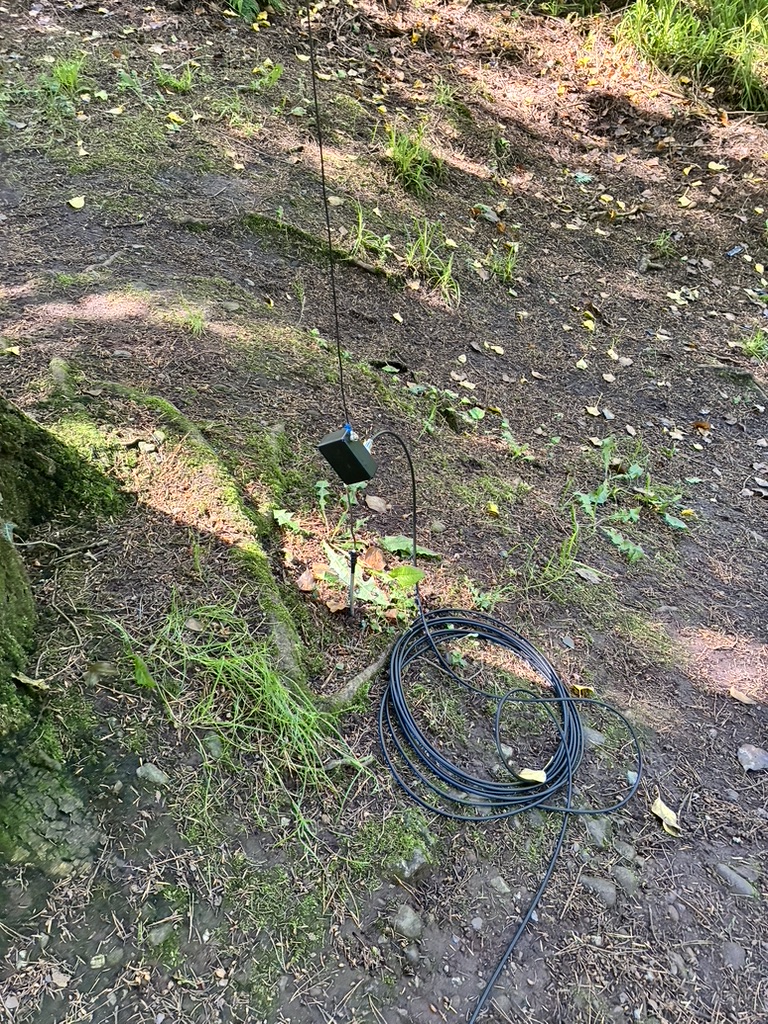
    The 5W 40M-10M EFHW antenna gets it’s first outing at IE-0246

    EFHW Basics:

    • An EFHW antenna is a half wavelength long on the lowest band of operation. In other words, it’s a half wave dipole on that band.
    • Unlike the most common dipole variant however, an EFHW is not fed in the middle but instead it’s fed at one of the ends.
    • Feeding a dipole at one end and not in the middle, means a much higher impedence at the feed point. To match an EFHW to a 50ohm transmitter, a 49:1 un-un is used at the feedpoint.
    • An EFHW needs some sort of counterpoise or connection to earth. It doesn’t need very much at all – the wisdom is that a counterpoise a mere 0.05 wavelength long on the fundamental frequency, or a short stake into the ground, is sufficient. The antenna does need something however. If you don’t provide a counterpoise, it’ll make use of whatever it can find electrically e.g. the feedline coax shield. If there really is no counterpoise or earth available, then the antenna won’t work. It’s better to have an explicit counterpoise or earth connection as otherwise, you may find the antenna is inconsistent from a tuning perspective in use, and it could result in “RF in the shack” issues at the rig. That’s not something you want, particularly if you’re running higher power.
    • An EFHW will resonate on even harmonics of it’s fundamental frequency. As such, it can be used as a multiband antenna. If you cut an EFHW for e.g. 40M, then it’ll also resonate on 20M, 15M and 10M i.e. the 2nd, 4th and 6th harmonics. Unfortunately, resonances at the 3rd, 5th and 7th i.e. uneven harmonics, will fall above 30M, below 17M and below 12M.
    • If using an EFHW as a multiband antenna, adding some capacitance at the feed point can help with resonance on the higher harmonic bands.
    • Because an EFHW is fed at one end, it’s an easy antenna to get up in the air, that’s a big part of its’ attraction. An EFHW can be put up as a horizontal wire, as a vertical wire, as a sloper or as an upside down L. I’m intentionally not using the term “inverted L”, to avoid confusion with that antenna type. The EFHW if put up as an upside down L, looks physically like an inverted L but it works very differently.
    • If you want to design or understand and EFHW antenna or both, I recommend you spend some time with this calculator and visualisations, it’s very useful (thanks DM1CM). Also, this page provides useful information on EFHW radiation patterns (thanks KK4OBI).

    Design Criteria for my EFHW Antenna:

    • Max Transmit Power: 5W.
    • Bands: 40M, 20M, 15M and 10M.
    • Insulated radiating wire so it can be run directly over tree limbs, through bushes etc.
    • Compatible with my existing “/T” and “/P” equipment, so a PL-259 connector at the antenna feedpoint.
    • Lightweight and compact.
    • Weather proof.
    • Low profile – no bright orange wire or other “glizty” parts that might draw attention.

    Parts List:

    • A length of insulated wire for the antenna wire, that’s a half wavelength long on the lowest frequency you wish to operate on. I went for 40M, so I used circa 22 metres (67′) of wire. I used one strand of twin field telephone wire. That stuff is very strong, light and low profile. It’s also almost impossible to tangle up.
    • A second length of wire for the counterpoise. Make that about 0.05 wavelength long on the lowest frequency you wish to operate on. For 40M, that’s 2 metres (3.3′). Alternativley, make a ground rod. I went with a ground rod made from a 250mm (10″) length of aluminium rod I had lying around.
    • Type 43 toroid(s). How many and how big they are will depend on how much power you wish to run. As I was only building for 5W, I used FT23-43 toroids. I might have gotten away with even smaller. I used two of them, glued together with superglue. At 5W, one toroid would almost certainly been enough but seeing as how I had two to hand, I decided to take a “belts & braces” approach.
    • A 100pF capacitor. This is optional but helps the antenna to resonate and in a useful place, on the higher bands i.e. 15M and 10M in the case of my antenna. Again as the antenna is only for QRP use, I was able to use a 50V rated capacitor from the junk box. For higher powers, you’ll want to use a higher rated capacitor.
    • A suitable enclosure for the feedpoint connections. I used a black plastic box with a screw on lid measuring about 80mm (3″) x 40mm (1.5″) x 20mm (0.8″). Sometimes with ferrite based components, you want to avoid using a metal enclosure as it could alter the performance characteristics of that component. I don’t think this is one of those situations but I’m open to correction on that…
    • A panel mount SO239 for the coax connection.
    • A means to connect the antenna wire and the counterpoise/ground. I used M5 nuts & bolts and suitable eyes soldered onto the antenna wire and counterpoise/ground wire.

    Making the Antenna:

    • Cut the radiating wire a bit longer than calculated, to have a bit extra for tuning purposes. Cut the counterpoise and/or make up the ground rod.
    • Drill required holes in the feedpoint box.
    • Mount the coax connector.
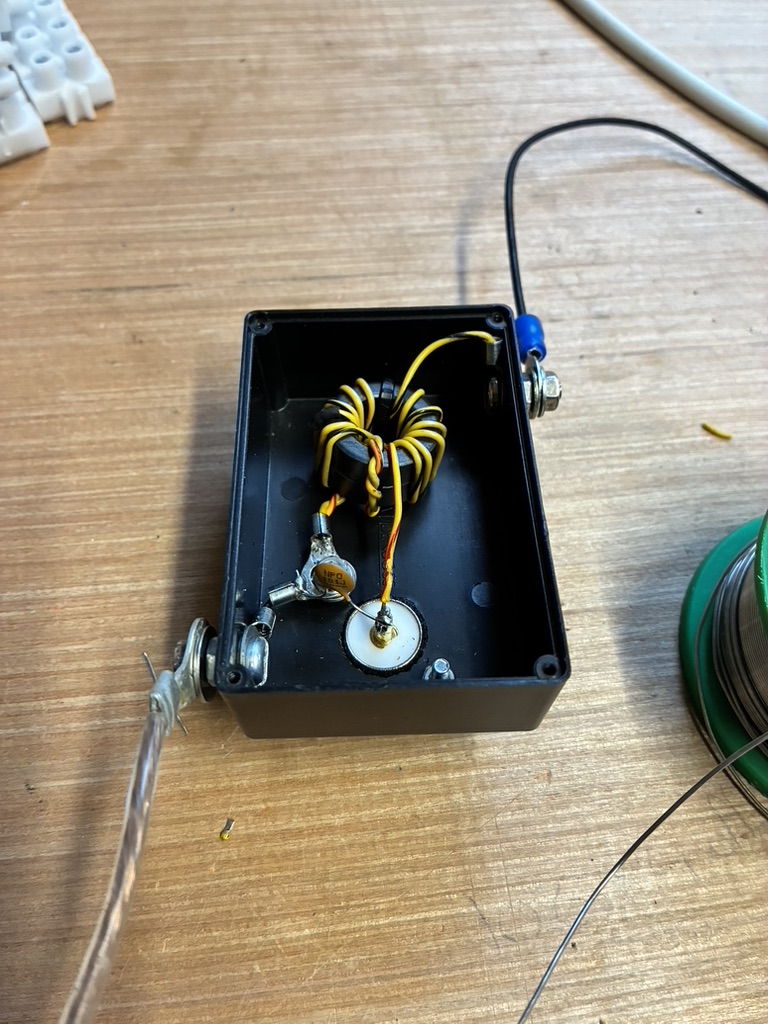
    • Wind the 49:1 un-un. This is the only bit that requires some care. Rather than repeat excellent guidance that’s already on the internet by other kind souls, take a look at e.g. MM0ZIF’s instructions, Gordon Gibby’s instructions or KM1NDY’s instructions (thanks folks).
    • Connect the antenna wire to the secondary wire of the un-un, one end of the primary wire pair to the counterpoist/ground and the remaining primary wire to the antenna feed point.
    • Solder the 100pF capacitor across the antenna feedpoint and the counterpoise/ground point.
    • Box it up. Tune it up. Have fun!
    The EFHW from another angle, at IE-0246

    So, what’s the EFHW like in use? I humbly concede my arrogance & stupidity in not accepting herd wisdom; the EFHW is a wonderful antenna for /P activities of all sorts and is a surprisingly effective performer. Albeit I’ve only three POTA activiations with it to date IE-0043, IE-0246 and IE-0016 (post to follow), it’s very apparent that this antenna is a keeper. The EFHW is one of those antennas that just wants to work. It’s very tolerant of how it’s mounted and it takes mere moments to get it airborne. So far, I’ve used it only in an upside down L configuration. I’ll set it up vertically and horizontally in due course but I don’t expect any change in performance.

    I’m so impressed with the EFHW, that I’ve made four more. The second antenna is set up at home and is an 80M-10M version using an FT-50-43 toroid. It’s got a 20m vertical section and a 20m horizontal section running east-west with 141pF 3kV capacitors across the feed point. That antenna is now feeding the OARC Ubersdr instance that I host. Take a look for yourself and see what you think of it. I’ve made a second identical 80-10M version that’s now also installed and in use. Again, it’s mounted with a 20m vertical section and a 20m horizontal section but the horizontal section runs north-south. The last two EFHWs are one for 100W 40M-10M “/T” operations using 3 FT37-43 toroids for the 49:1 un-un and one for 30M using the same toroid configuration, that’ll be mounted vertically. It’ll be the main TRX antenna for that band at the home QTH.

    Once I’ve more use experience with the five EFHW antennas, I’ll update this post.
  • POTA Activation at IE-0016

    POTA Activation at IE-0016

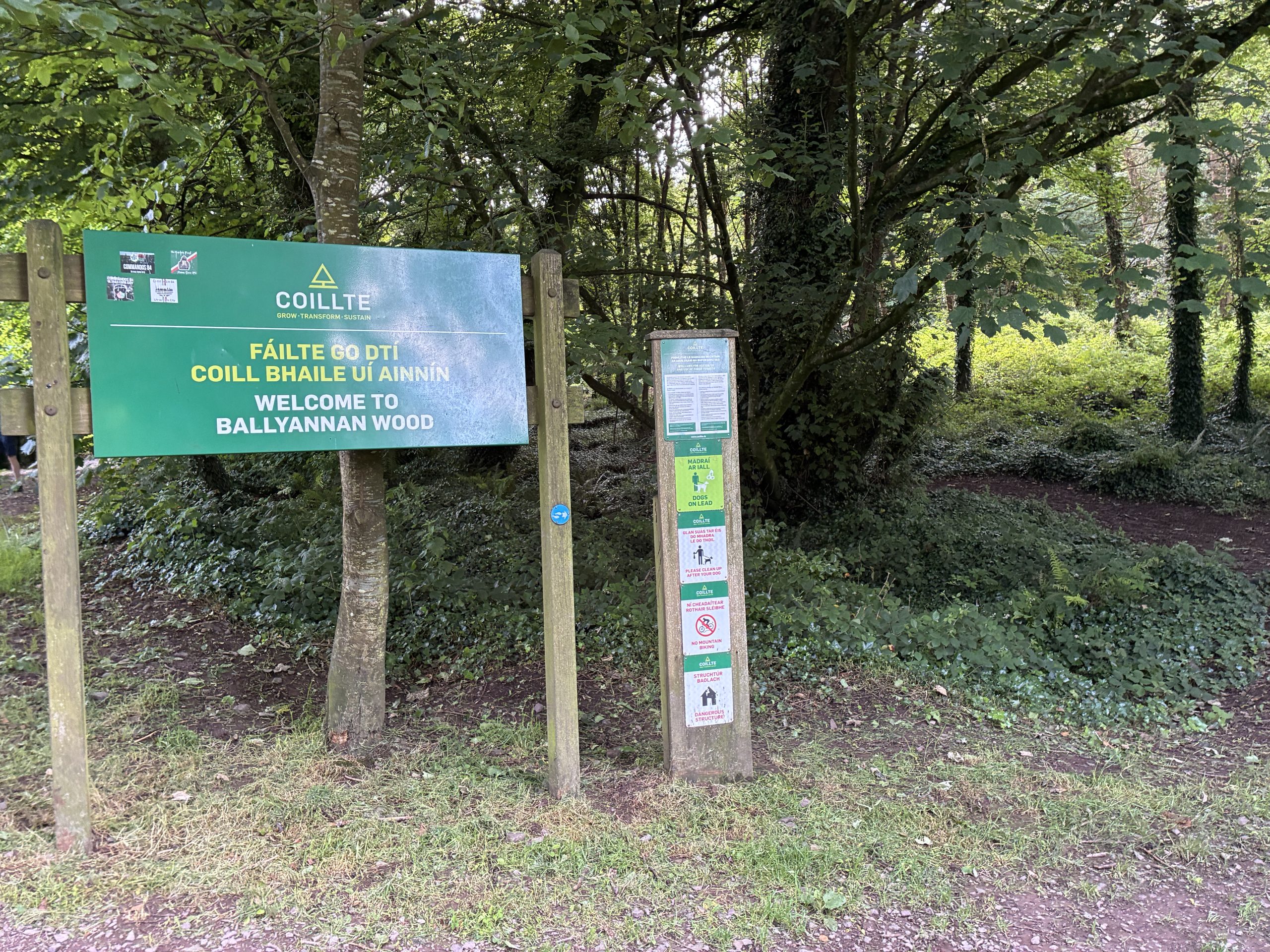
    It was beautiful out this morning and being a Saturday, what else was I going to do but head out for a few hours to do another POTA activation. This time it was to another local wood, about half an hour from home. Ballanyannan is a beautiful and old deciduous forest that dates back to the 17th century. It’s accessible only on foot, so this was a “/P” activation. That meant QRP with 5W and the recently made 40M-10M End Fed Half Wave antenna.

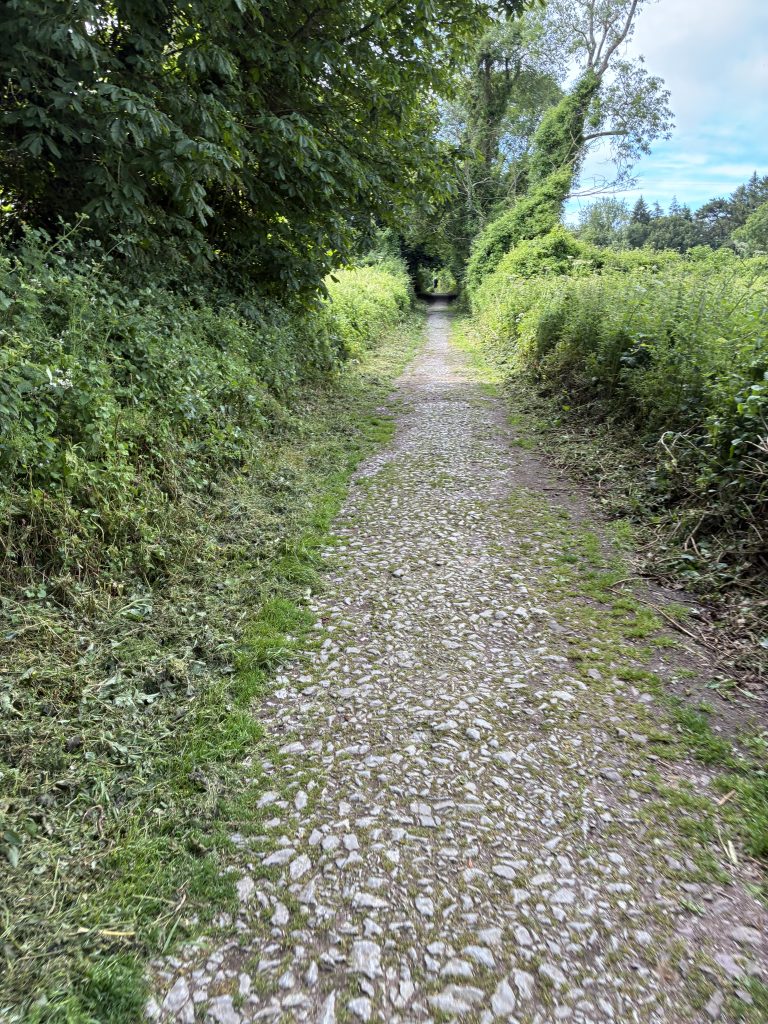
    Access to IE-0016 is by foot only.

    Not having been to Ballyannan for radio purposes before now, I took the time to have a good walk around, to find suitable spots for operating. I found two really nice locations. Both are on the shores of Cork Harbour and so have saltwater take off.

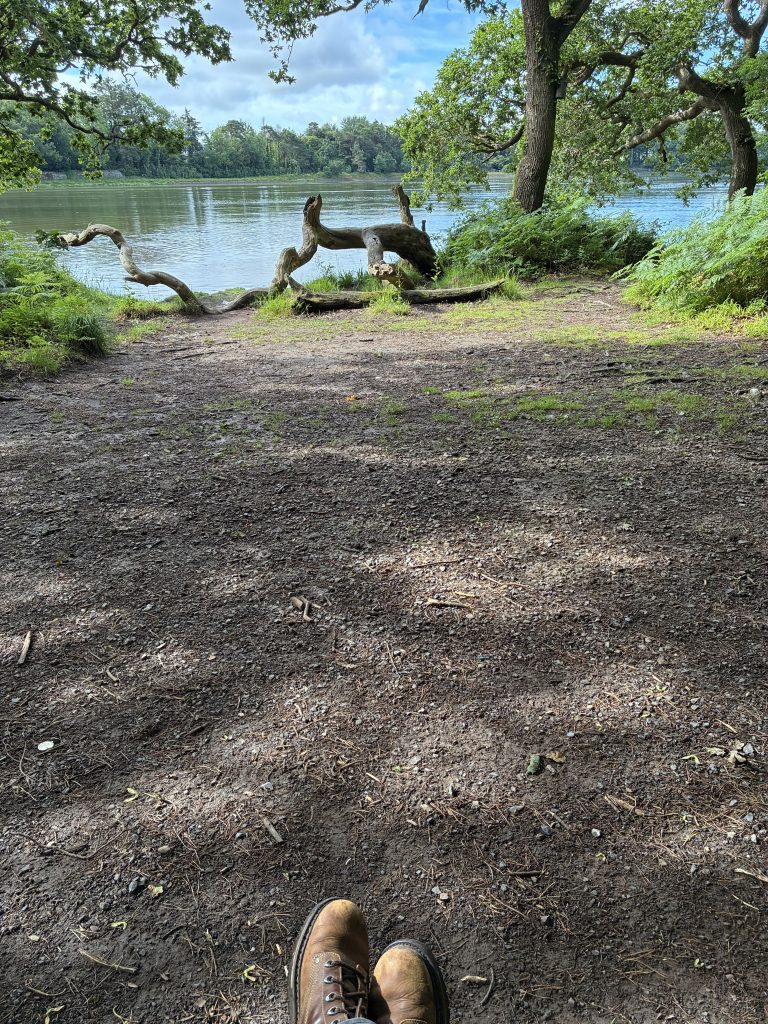
    One of at least two lovely spots to operate at IE-0016.

    Setting up was very straight forward, especially given how easy it is to deploy the EFHW antenna. Having remembered to bring insect repellent this time, it was a more pleasant operating experience than last time!

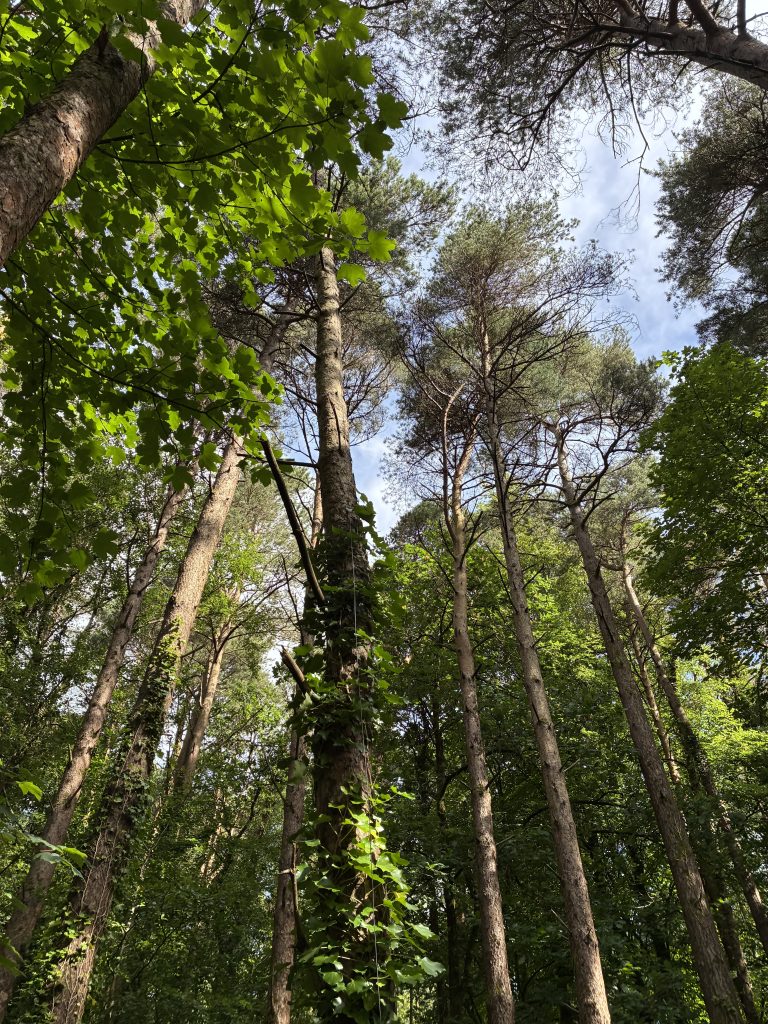
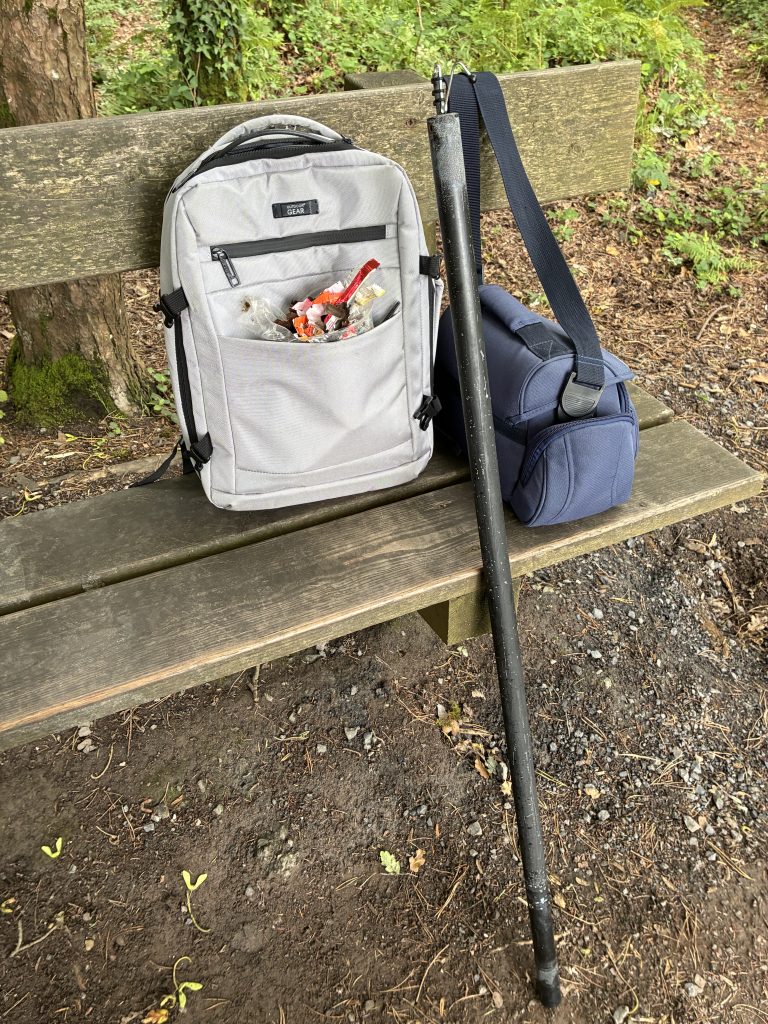
    Spot the 40M EFHW in upside down L configuration.

    It being a lovely morning, plenty of folk were out walking themselves, kids and dogs, and I had a few interesting conversations with a number of passers-by.

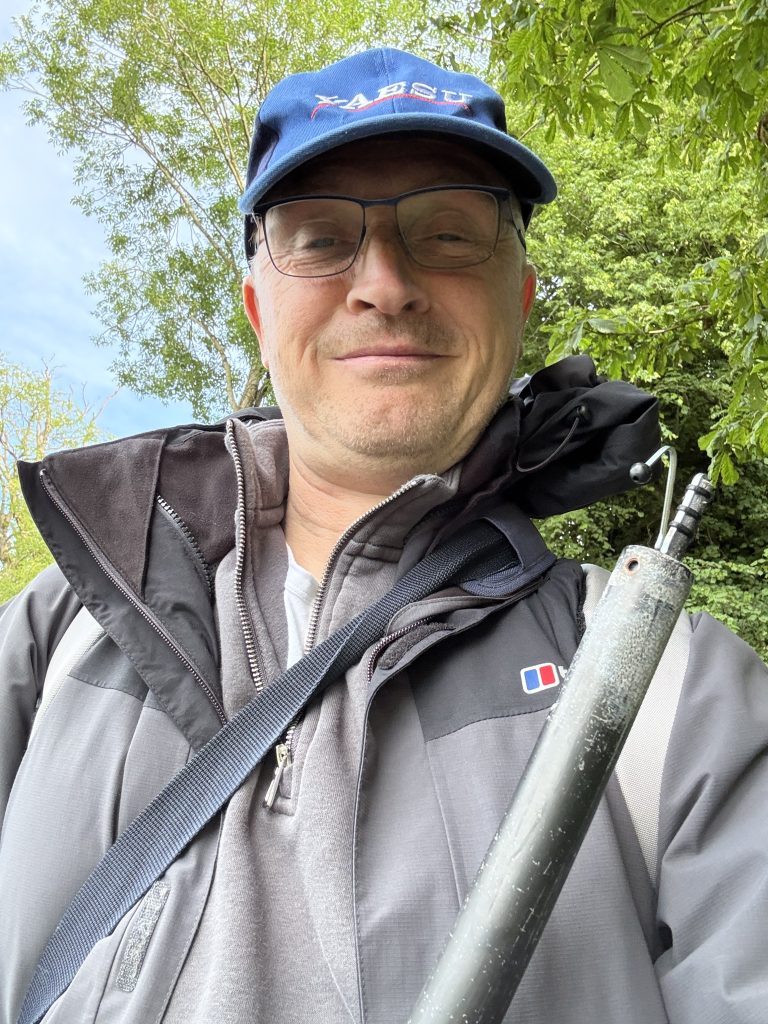
    A happy EI4HQ after a pleasant few hours activating IE-0016.

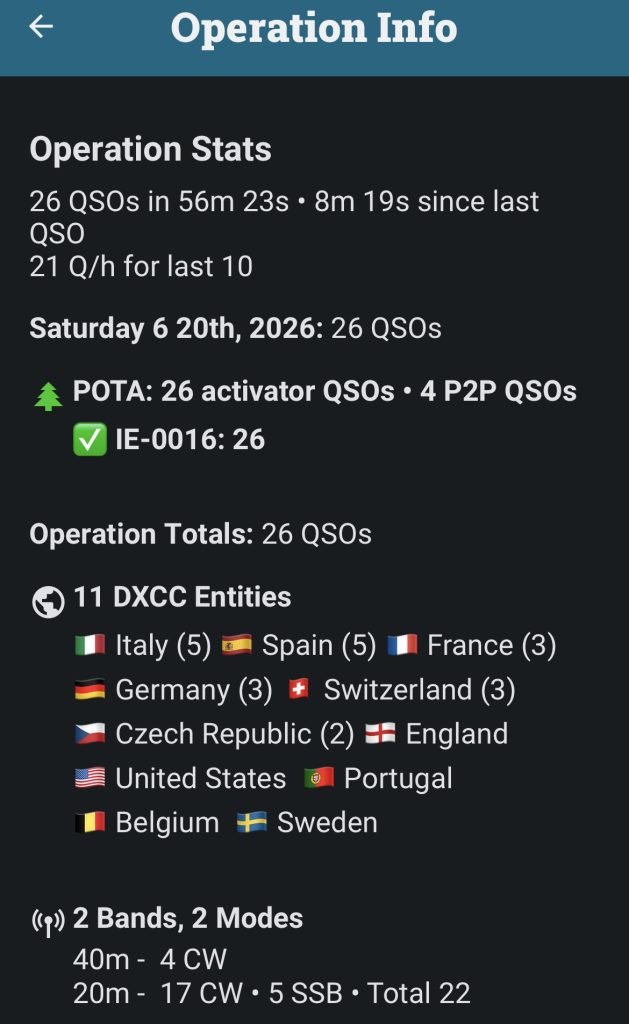
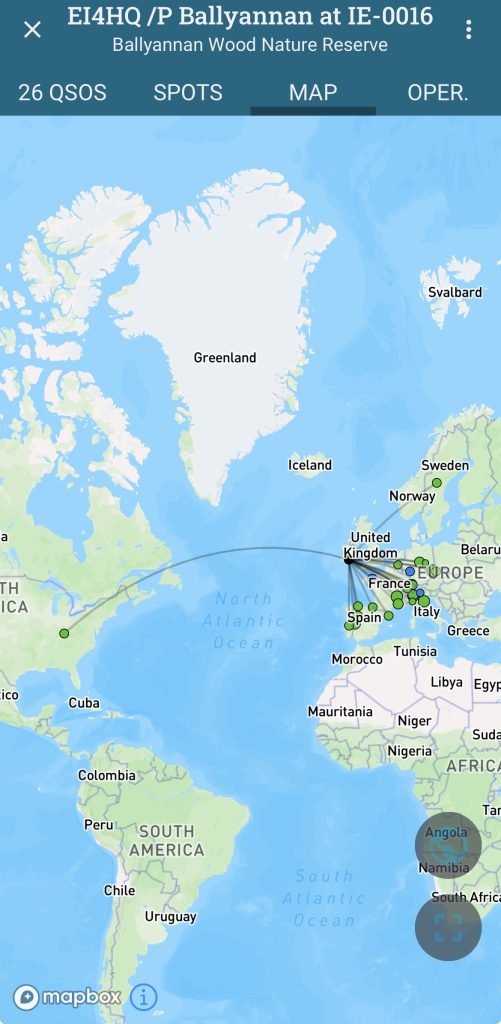
    Operating was a bit odd in so far as any stations I worked were really strong but there didn’t seem to be significant numbers of POTA hunters around. Still, honour was more than served with 26 contacts serving up two bands, two continents, two modes, four P2P contacts and 11 DXCC entities. Not bad for an hour’s operating.

    The last courtesy of a POTA activation, a quick litter pick before heading home.
    Activation Summary
    QSO Map
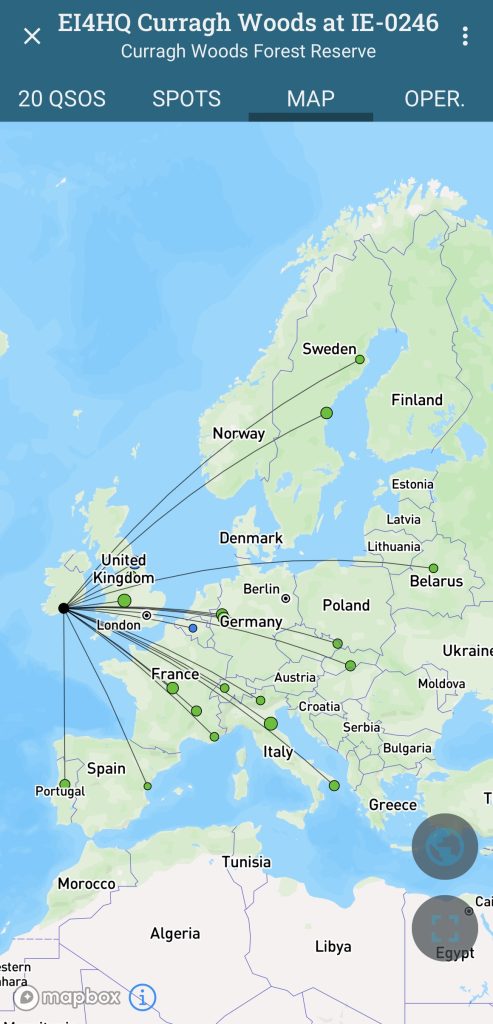
  • POTA Activation at IE-0246

    POTA Activation at IE-0246

    First ever POTA Site Activation

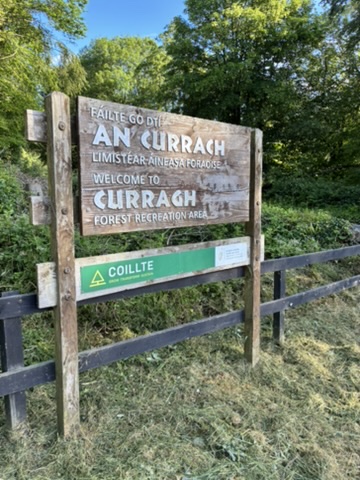
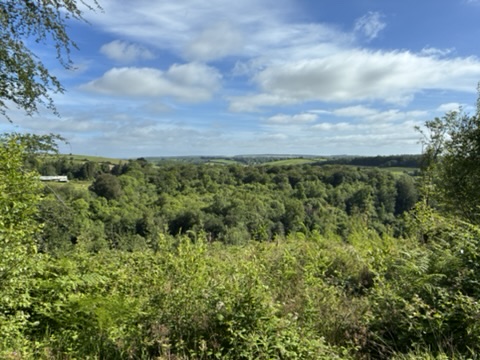
    Another “/P” activation as good areas to operate in this forest are inaccessible by car, this was one I’ve wanted to do from the beginning. Curragh Woods rise out of a river valley near the bustling market town of Midleton (home of the World famous Midleton whiskey) and are only half an hour from home. Curragh had never been POTA activated. It’s kinda a home park and it’s very close to the EI7M contest station site. I just liked the idea of being the first to activate it.

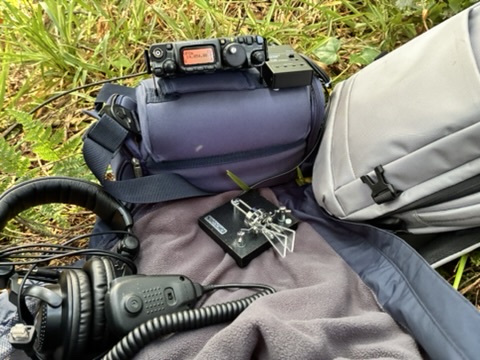
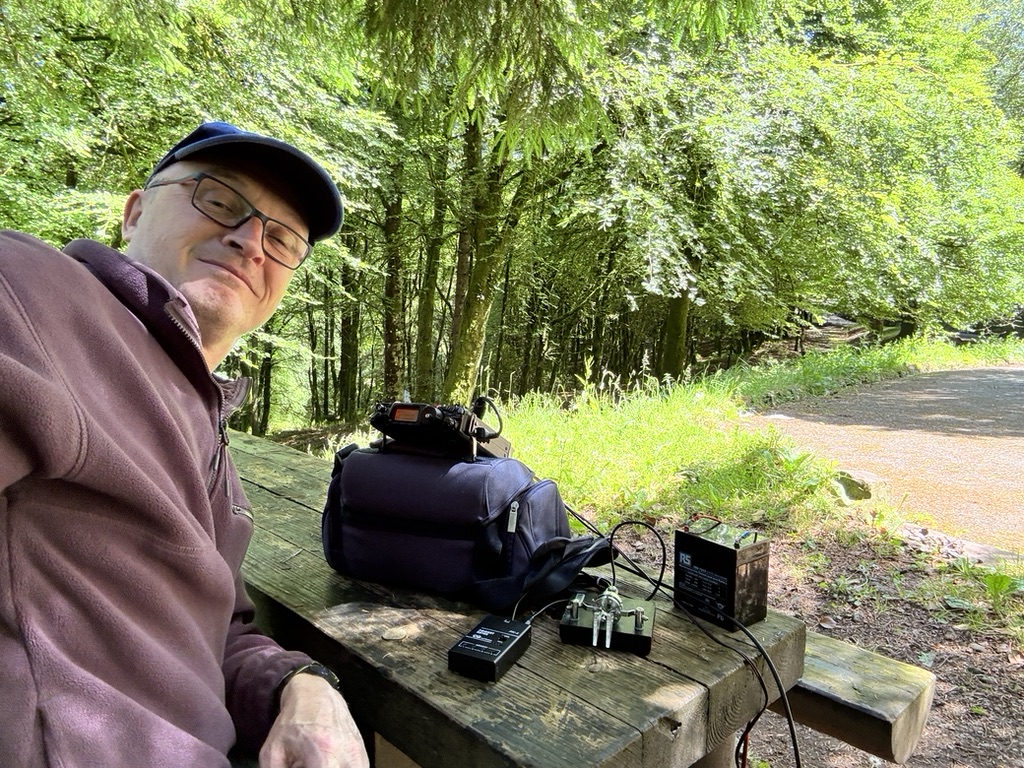
    A real field operation this one

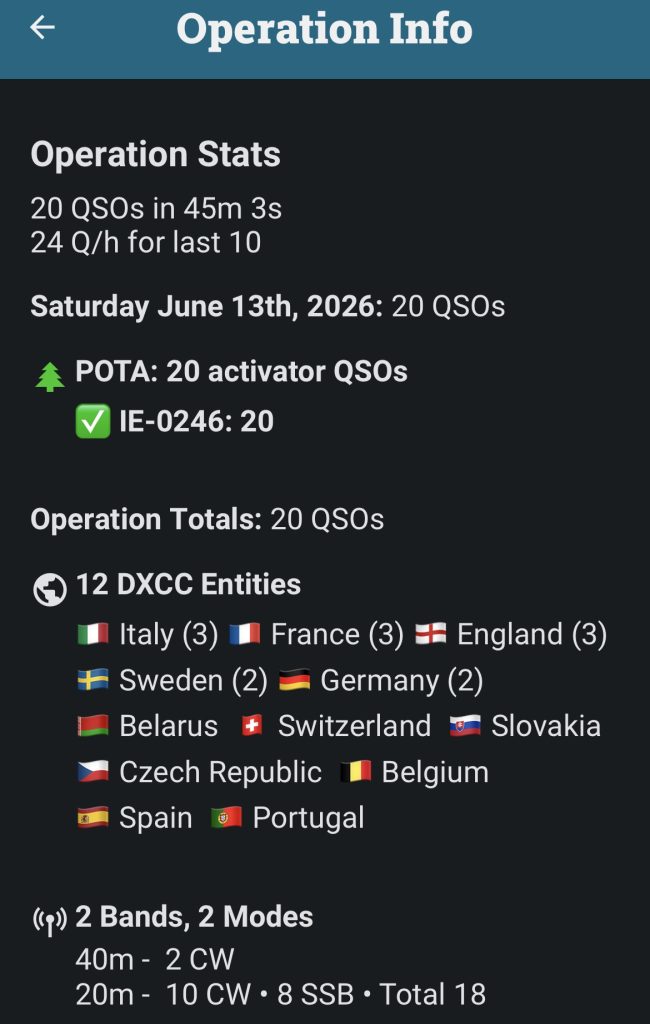
    Conditions were poorer than they had been at Galtee Castle National Forest the previous day, but my little setup didn’t let me down, it even impressed; in addition to CW contacts on both 20M and 40M, it delivered 8 QSOs on 20M SSB. Given I’m running 5W, I was really pleased about that. Unfortunately, I had to cut the operation short as I was tormented by “midgies”, small gnat like flying characters that like eating stupid humans like me who go into the woods without being properly prepared to repel them. I’ll know better next time.

    Activation Summary
    Curragh Woods looking north
    QSO Map
  • POTA Activation at IE-0043

    POTA Activation at IE-0043

    Having done a number of quite successful activations using the “/T” setup for POTA, it was time to try out the “/P” setup. This consists of a Yaesu FT-817ND, a 20Ah 12VDC battery, an end fed half wave dipole for 40M and PoLo for logging on my phone.

    A very content EI4HQ at IE-0043 Galtee Castle National Forest

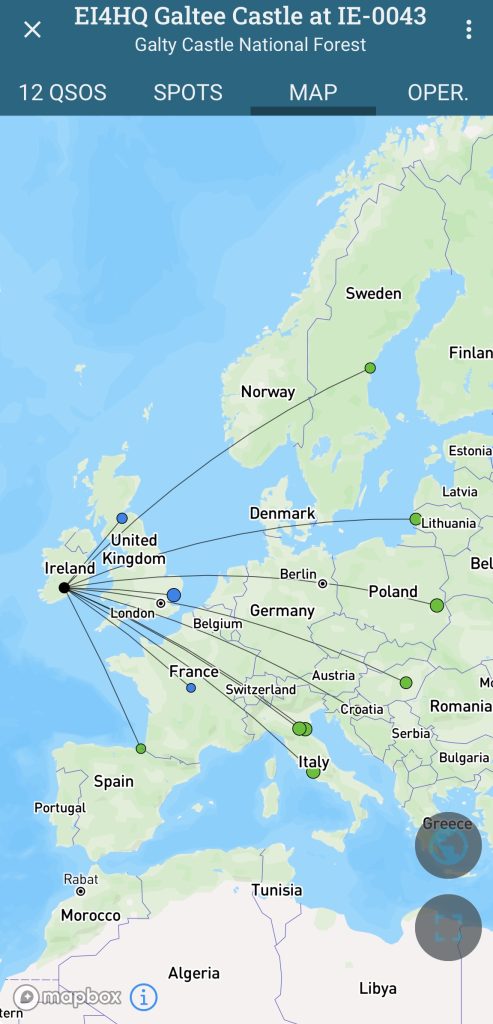
    The Galtee Castle National Forest is nestled in the southern foothills of the Galtee mountains on the border between Co. Limerick and Tiperrary. It’s a lovely spot, only a short detour of the M8 motorway between Cork and Dublin. I was fortunate with the weather but the propagation conditions were not good. Patience and persistence on the part of the kind souls who worked me however, meant the activation was delivered and I also worked my first ever POTA contacts on 40M. I was delighted with how the new EFHW antenna worked. I’d only made it the day before and hadn’t been able to tune it up or test it at home. Once I’d finished operating, I took a bit of time to tune it up properly, so it’s ready for the next outing.

    Activation Summary
    The 40M EFHW antenna gets it’s first outing
    QSO Map
  • POTA Activation at IE-0073 and IE-0002

    POTA Activation at IE-0073 and IE-0002

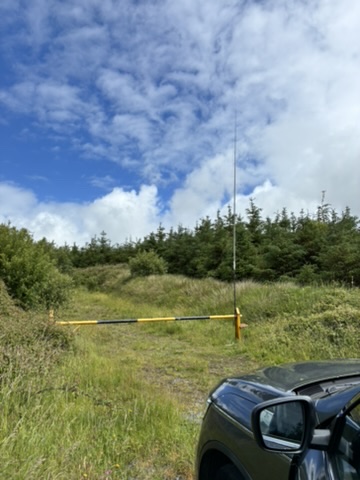
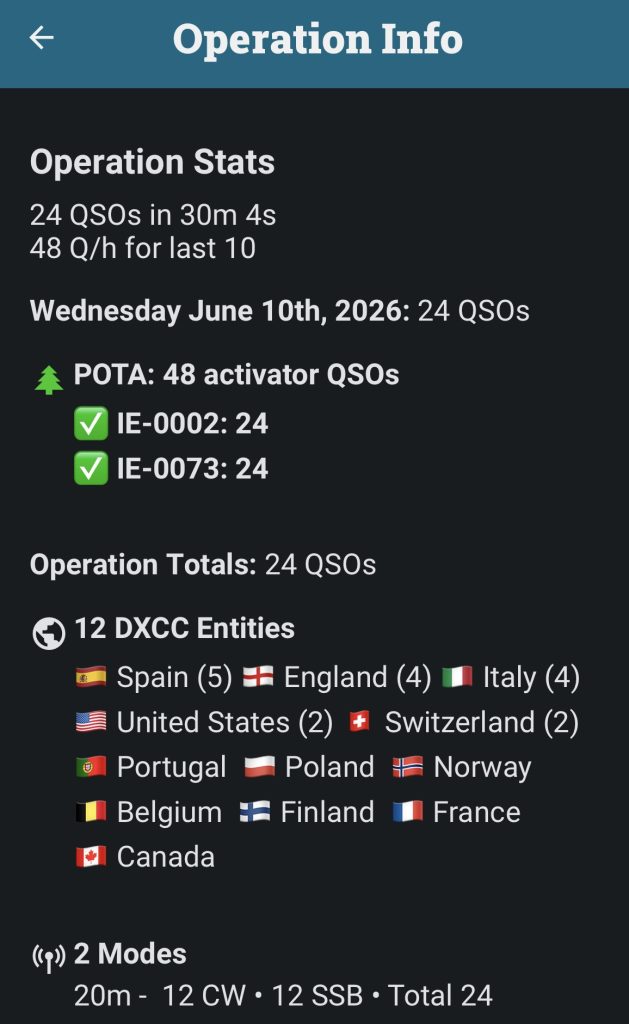
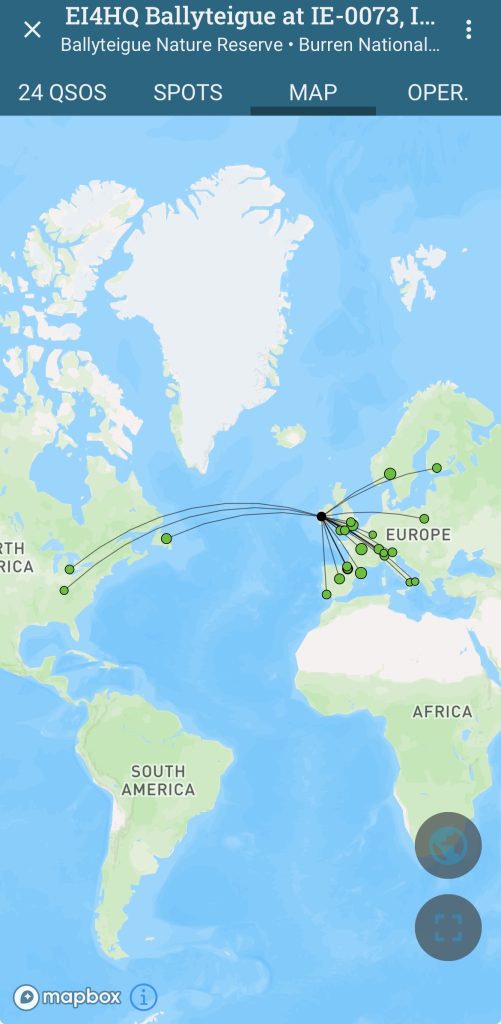
    I had so much fun the previous day and as I was passing nearby, I couldn’t pass up the opportunity to also activate IE-0073, Ballyteigue Nature Reserve near Lisdoonvarna in The Burren. A very beautiful and secluded spot, it was a wonderful place to spend some time. The DX wasn’t too bad either.

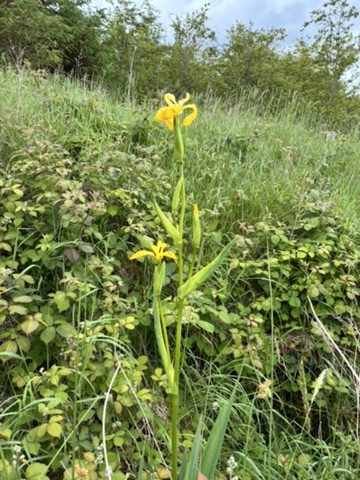
    A Marsh Orchid at Ballyteigue Nature Reserve
    Activation Summary
    IE-0073 Ballyteigue Nature Reserve
    QSO Map
  • POTA Activation at IE-0177 and IE-0002

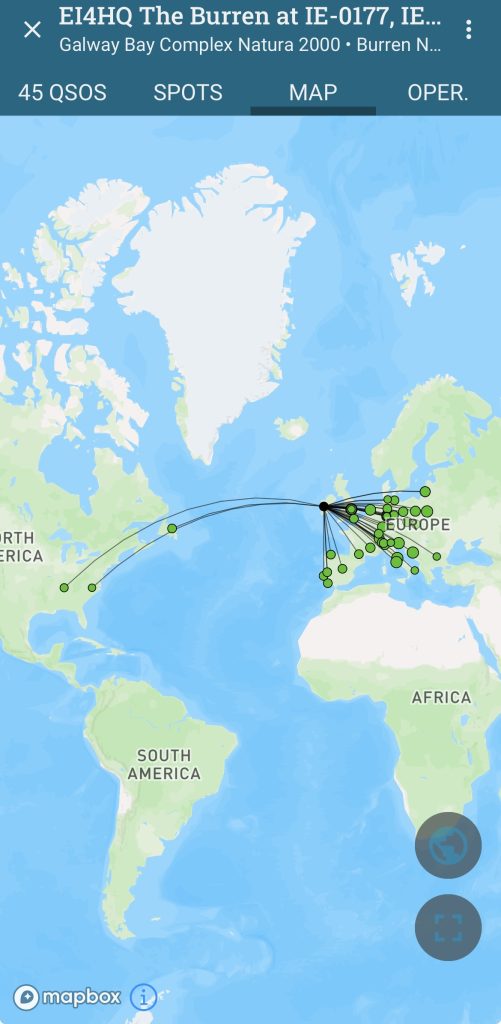
    POTA Activation at IE-0177 and IE-0002

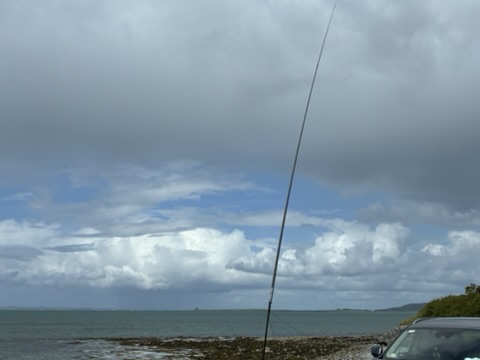
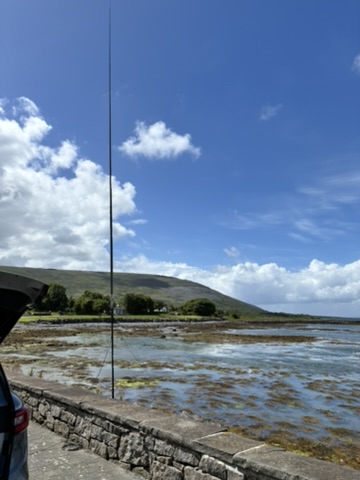
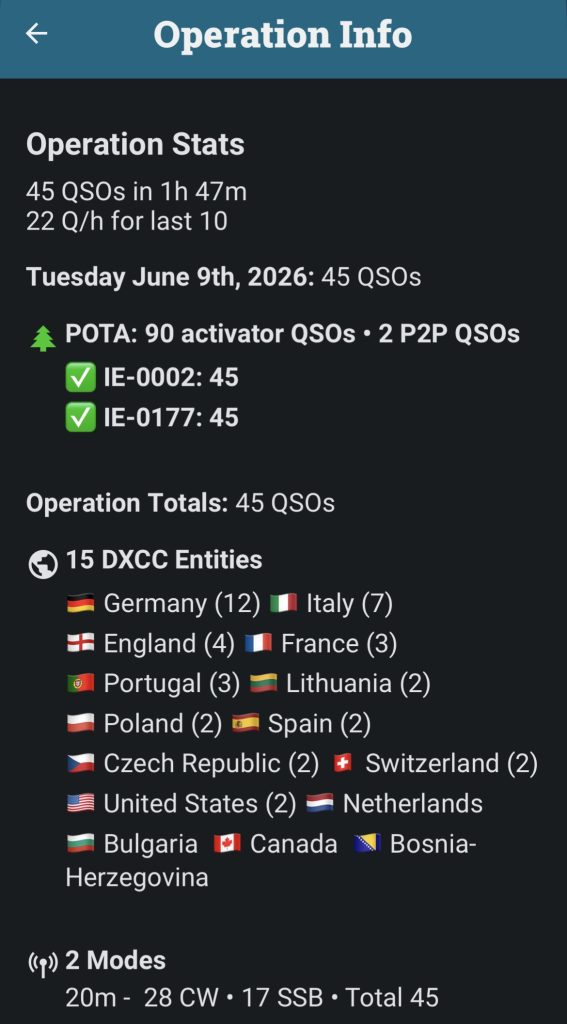
    My first “two-fer” activation and in one of the more beautiful places in Ireland -Galway Bay and The Burren, on Ireland’s West Coast. Despite mixed weather that involved sunshine one minute and torrential downpours the next, I really enjoyed this activation. In addition to a decent 45 qsos in the log on 20M CW and SSB, I also met a lovely couple from the USA and an equally lovely foursome from France who were great company and seemed genuinely interested in what I was doing!
    In between the downpours, it was a beautiful afternoon.

    There were a few learnings from this activation; while the GP is a great antenna, it takes a bit of time to set up. I’d like something that’s a bit quicker. I’ve also realised it’s too heavy for true “/P” activations so I’m going to have to sort out an alternative solution. Another learning is that most folk are curious when they see a POTA setup but are too shy to ask. I decided to try and strike up a conversation with some of the folk who parked up to enjoy the view and were clearly wondering what it was I was up to. It was fun talking with them and I think they appreciated that I was prepared to share with them what I was doing. They in turn were fascinating people, with their own stories to tell. Taking the opportunity to engage with folk when doing POTA or other /P activations adds even more fun to it, and is also a bit of easy positive publicity for the amateur radio hobby.

    Activation Summary
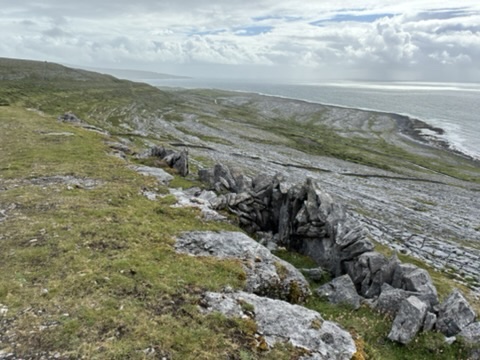
    Black Head, looking west to the Aran Islands and out into the Atlantic Ocean. 3 QSOs were made with friends on the other side of that vast, wild ocean.
    QSO Map
  • POTA Activation at IE-0256

    POTA Activation at IE-0256

    First ever POTA Site Activation

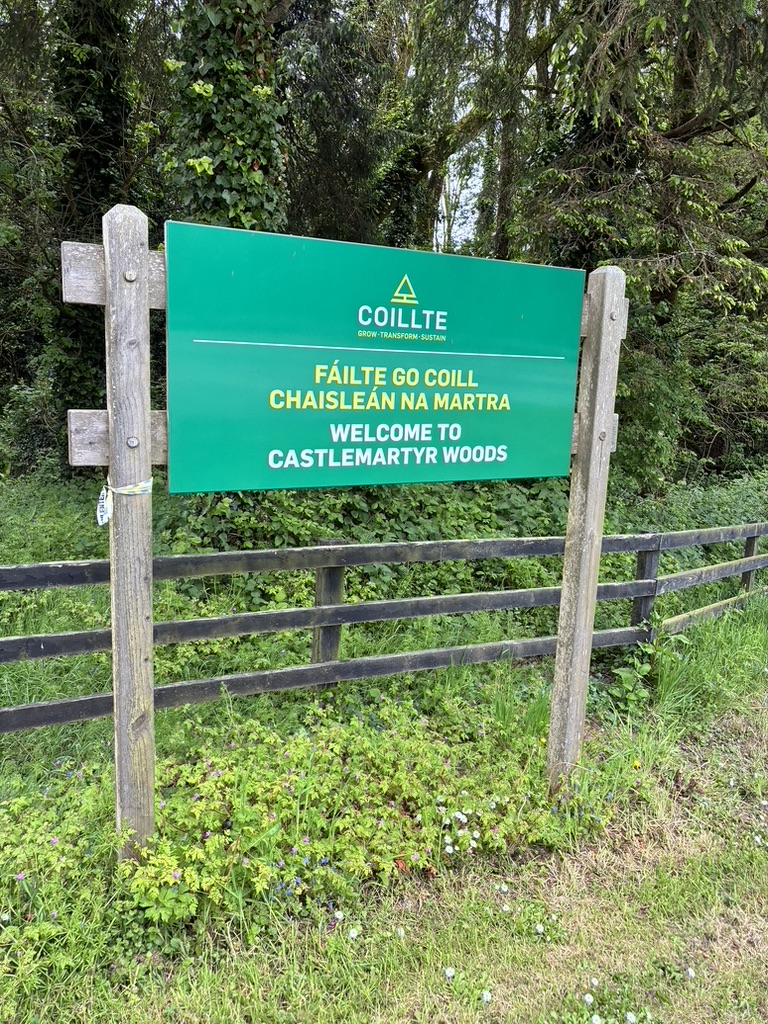
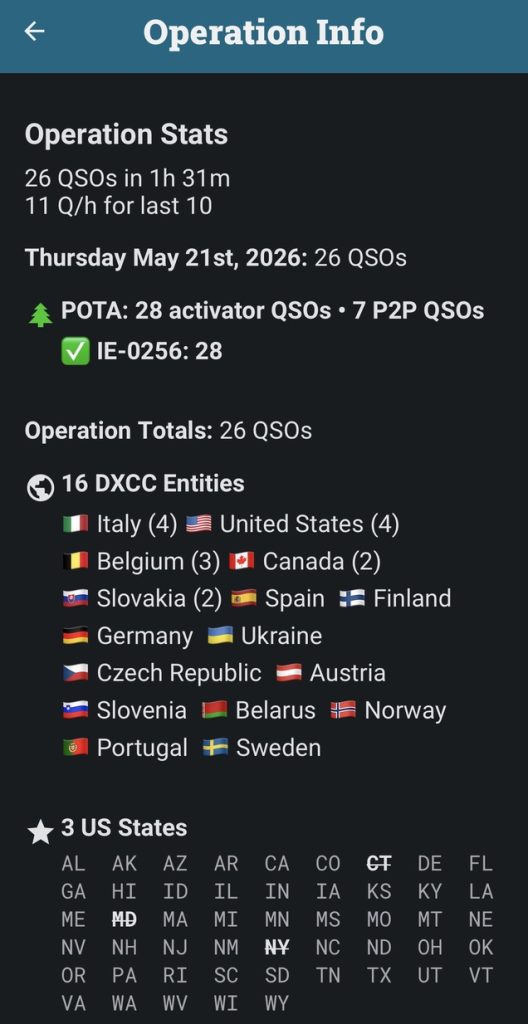
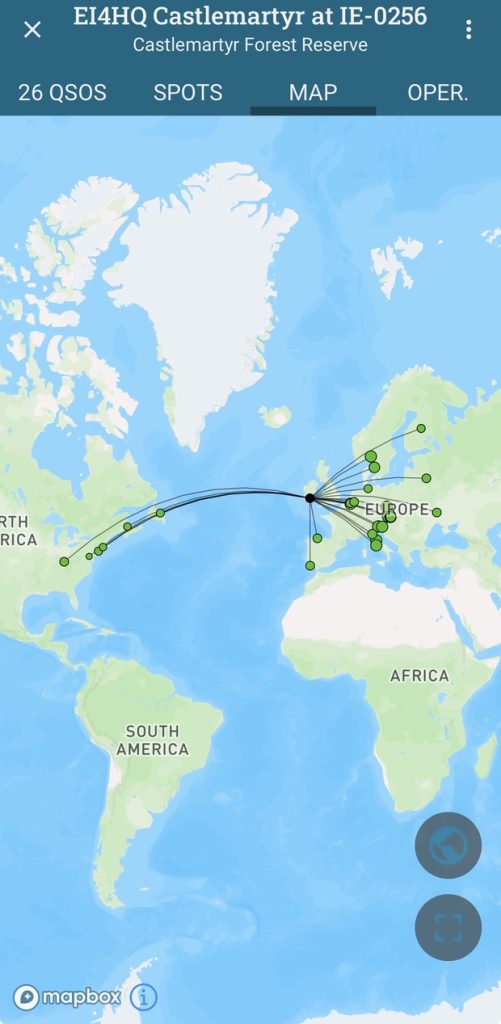
    On the second attempt, traffic having scuppered the first, I managed to get to IE-0256, Castlemartyr Woods and to be the first to activate this park. Castlemartyr is a small wood near a village of the same name. I used the /T setup for this activation and spent an enjoyable few hours on both SSB and CW with 6 Trans-Atlantic QSOs, the most I’ve made on any POTA activation so far.

    Activation Summary
    QSO Map
  • POTA Activiation 3 at IE-0028

    POTA Activiation 3 at IE-0028

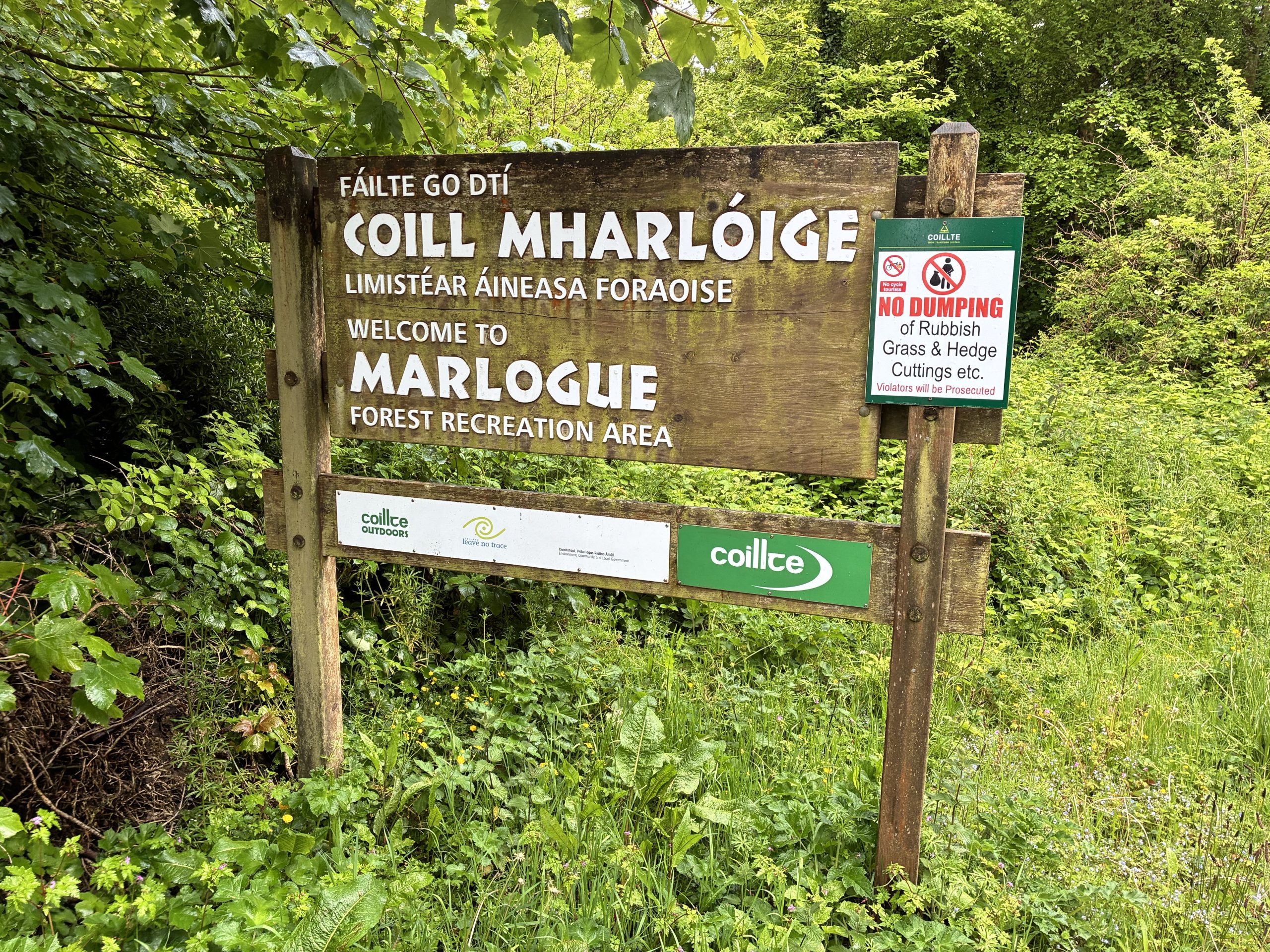
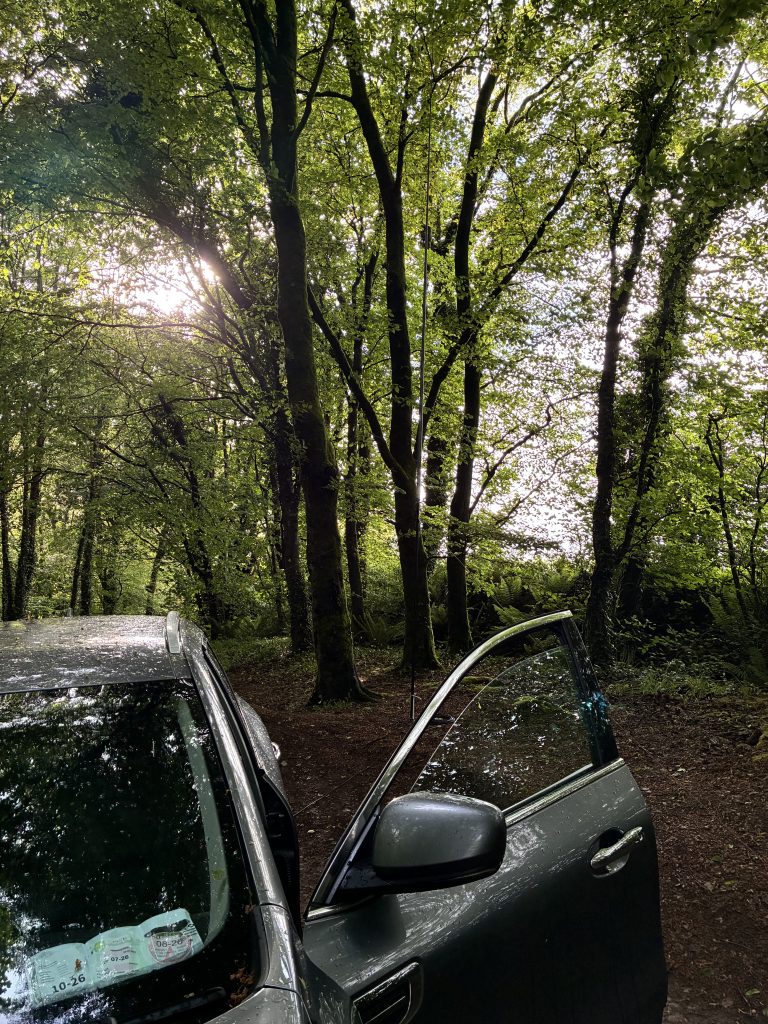
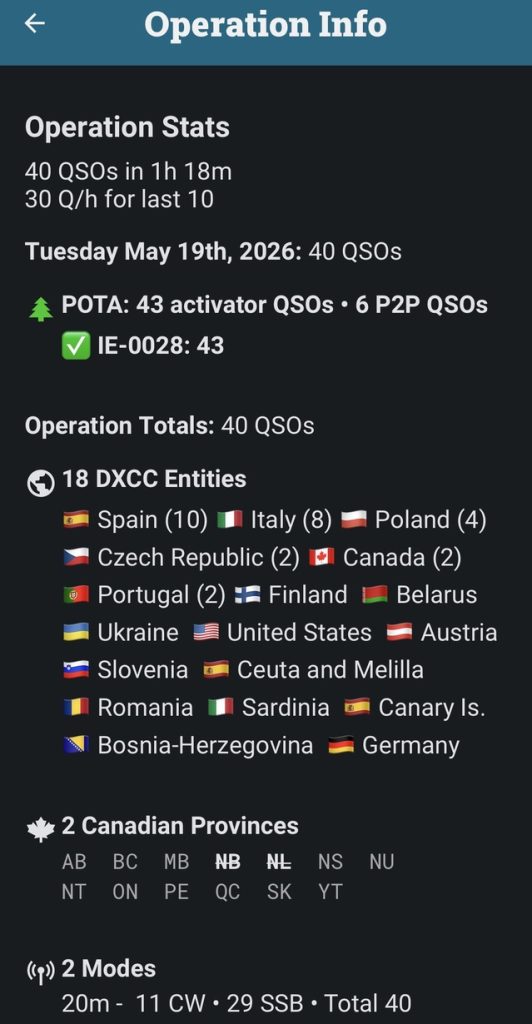
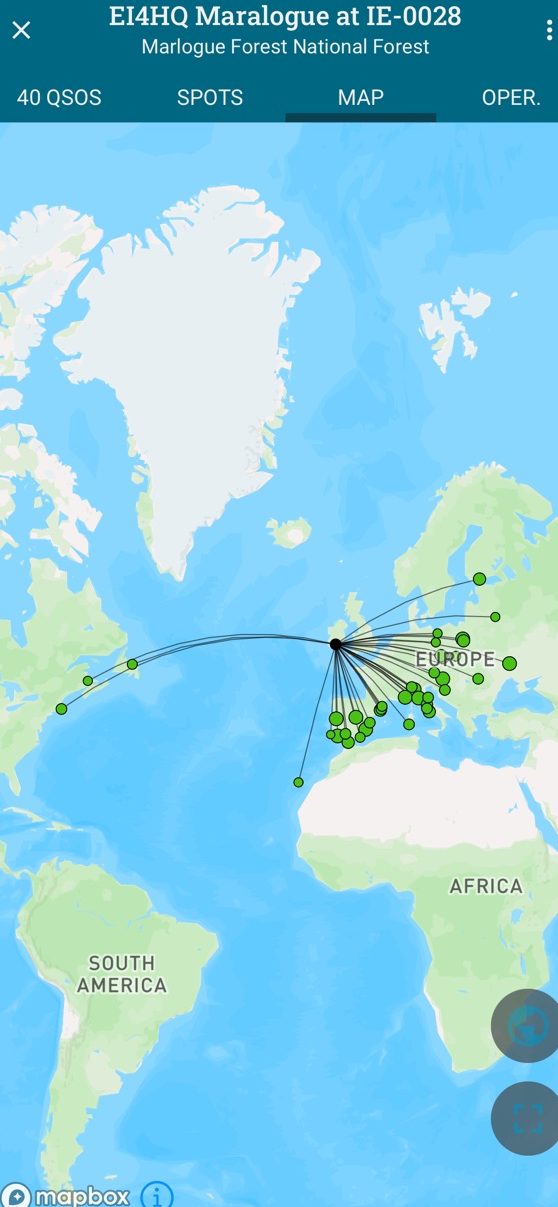
    Due traffic problems, I had to defer the planned activation of IE-0256 Castlemartyr. Instead I went back to IE-0028 Maralogue Wood again and had some fun there for an hour and a half. Due wet and breezy weather, I had the place to myself for most of the time. I logged 40 contacts on 20M SSB & CW, including a few trans-Atlantic. Conditions were better than the previous weekend but were still sub-par. I’m getting used to the /T setup now, though I still need to sort out ergonomics for CW operating. I’ve also made a first attempt at adding 40M to the 20M GP antenna by turning it into an inverted L. I must test that out at base before taking it on an activation.

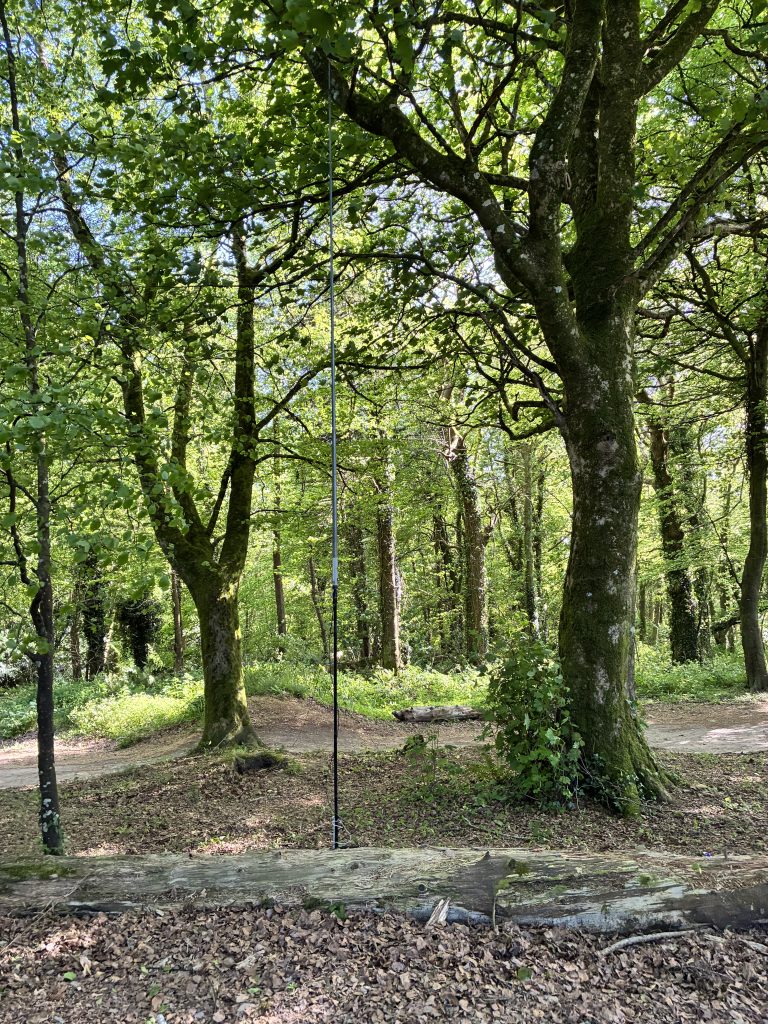
    Anteanna clear of pesky, SWR upsetting branches this time.
    Activation Summary
    QSO Map
  • POTA Activation at IE-0029

    POTA Activation at IE-0029

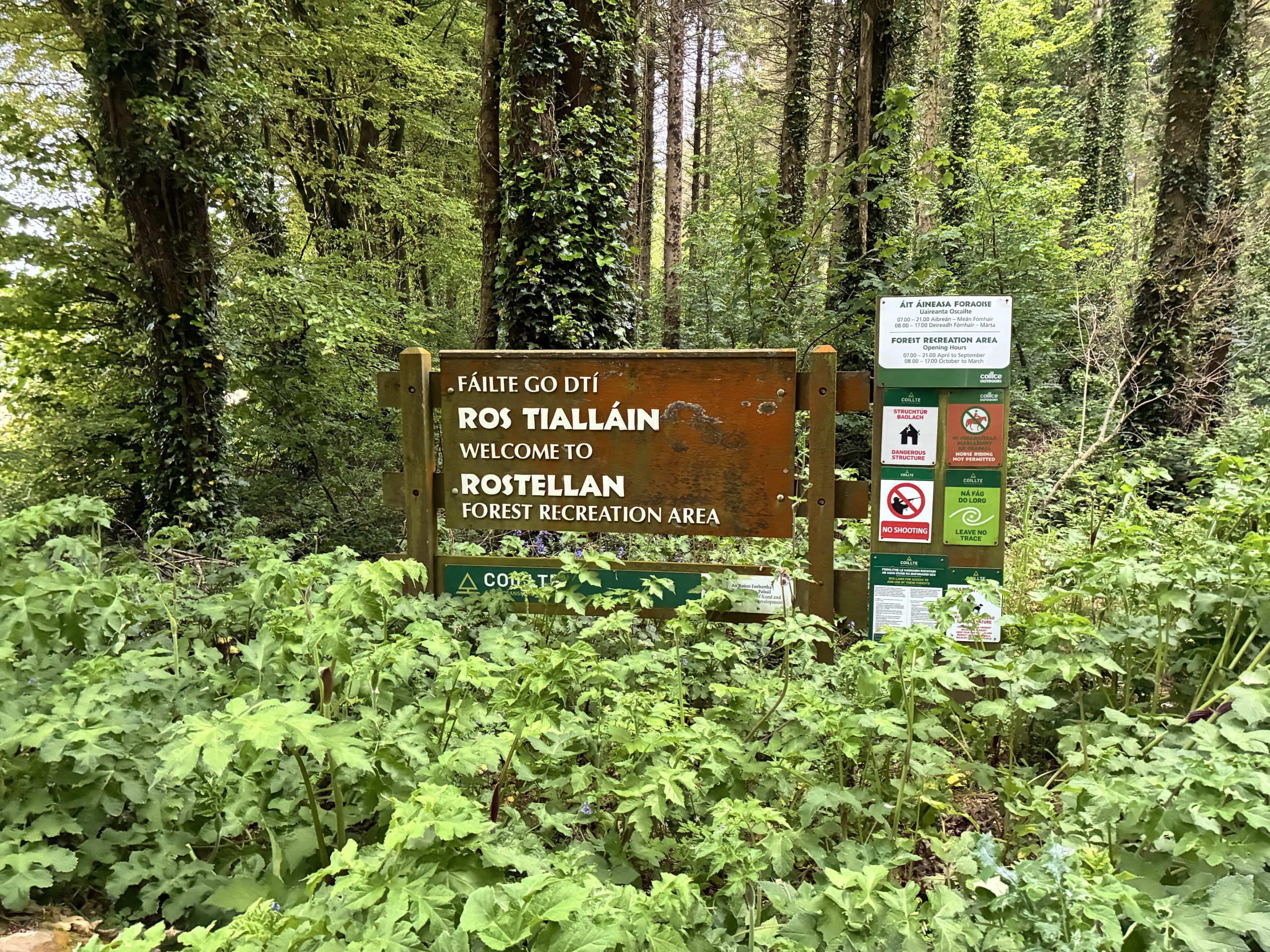
    Having figured out the bigger issues on the first two “shakedown” POTA outings and also now with some sense of what a POTA activation is like, I set off to IE-0029 Rostellan woods for a longer activation. I didn’t go too far, Rostellan is about a 25 minute drive from home and due the geography of Cork Harbour, as the crow flies it’s actually only about 3km from my home QTH.

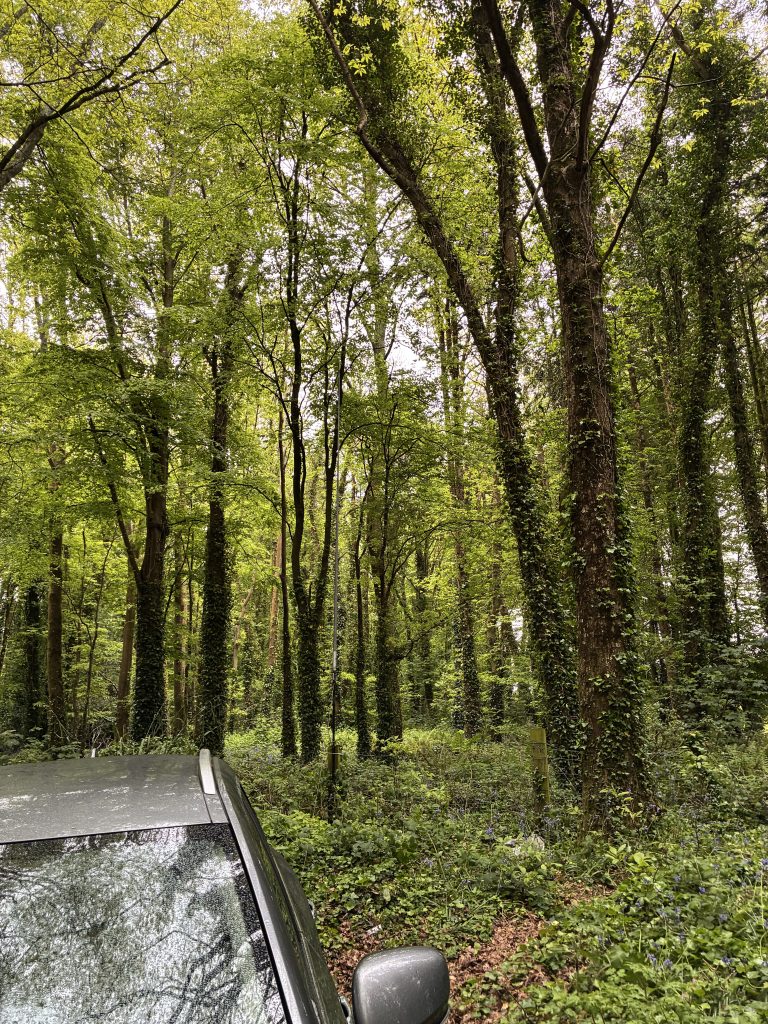
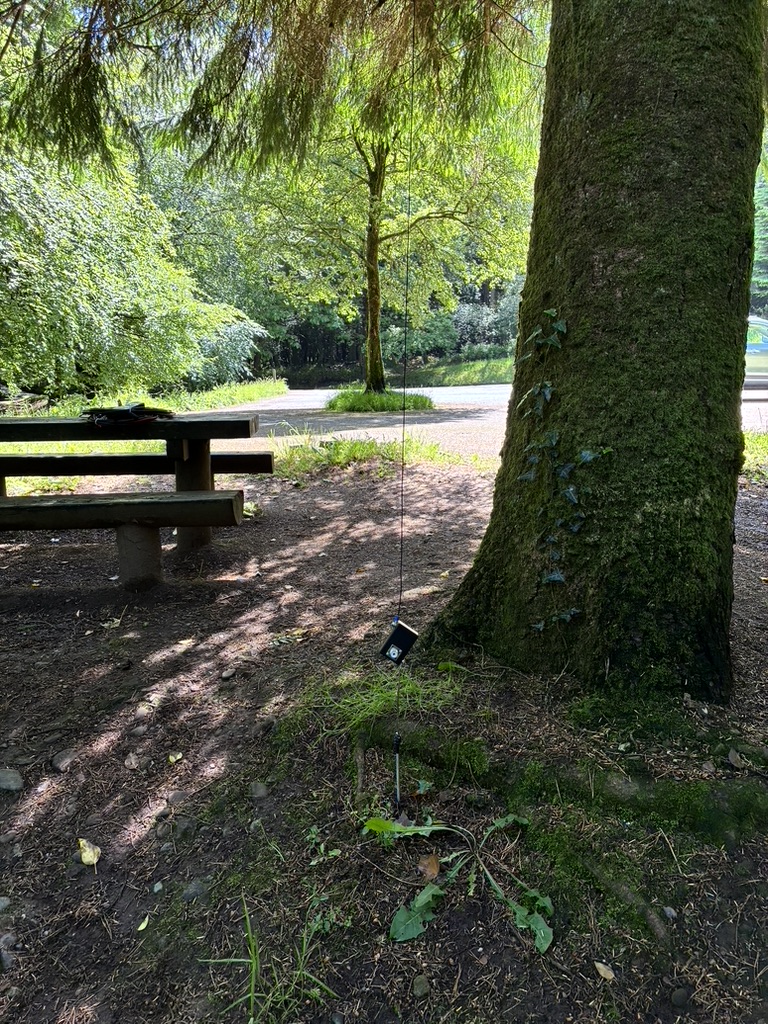
    Spot the antenna!

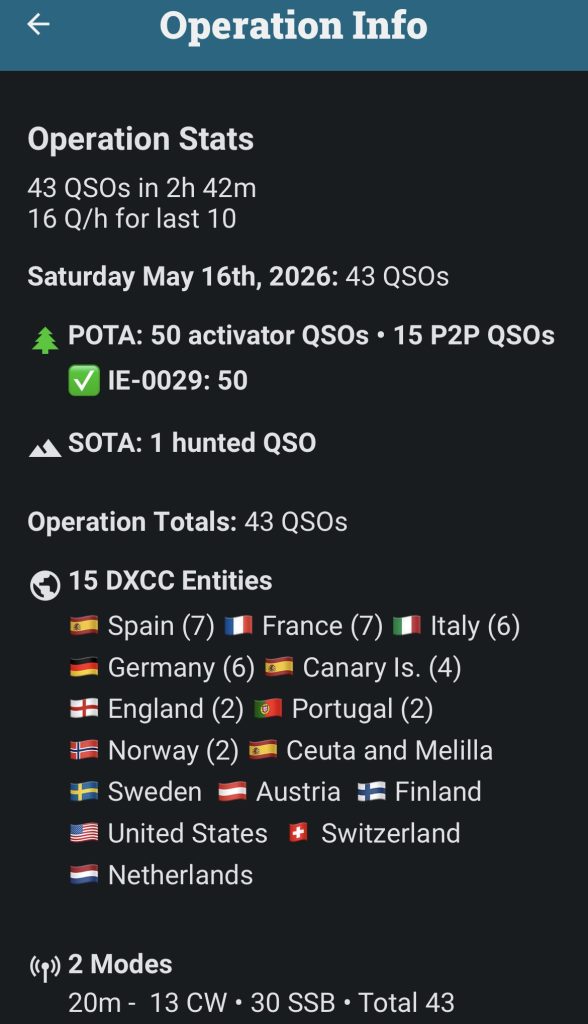
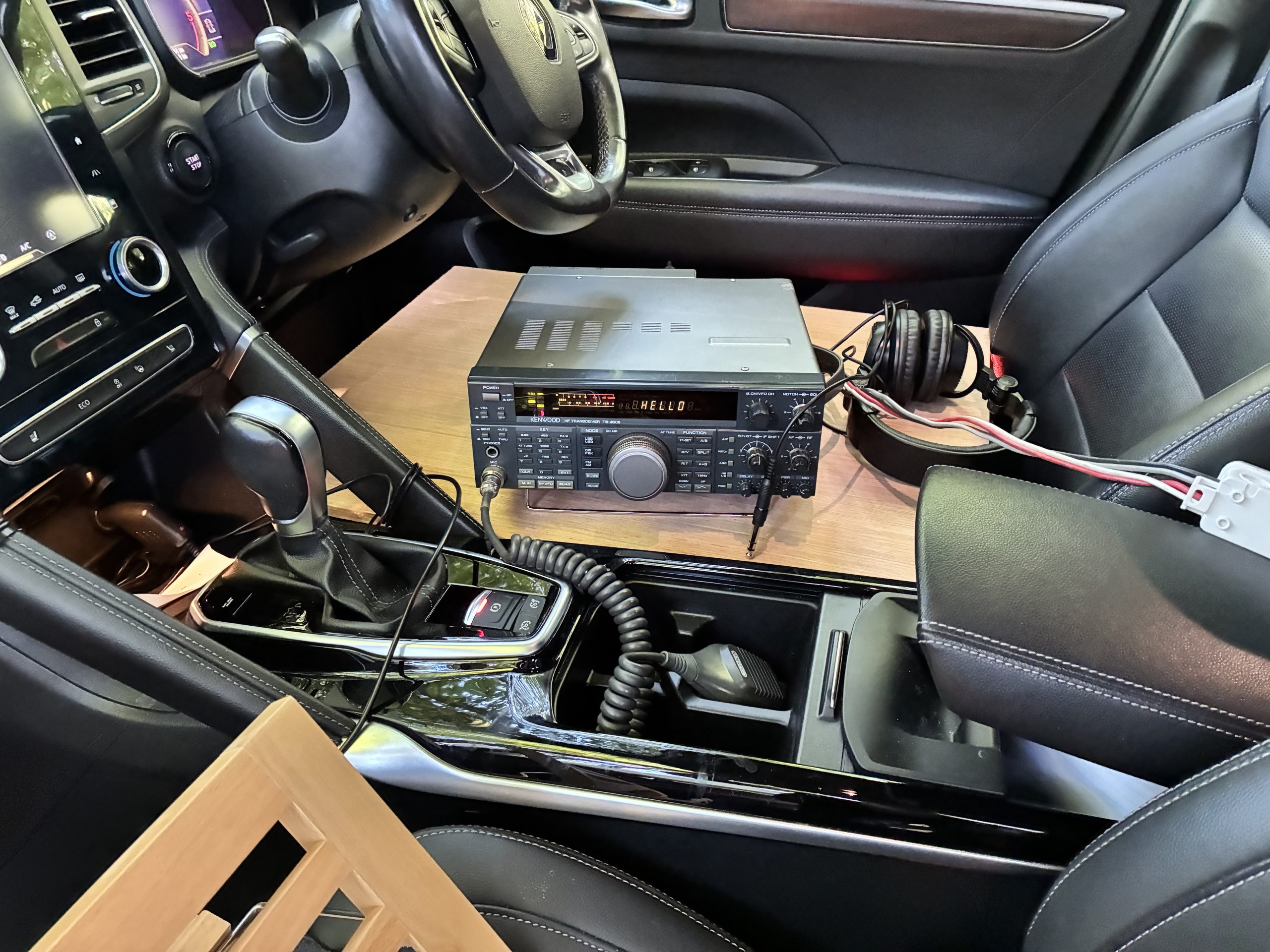
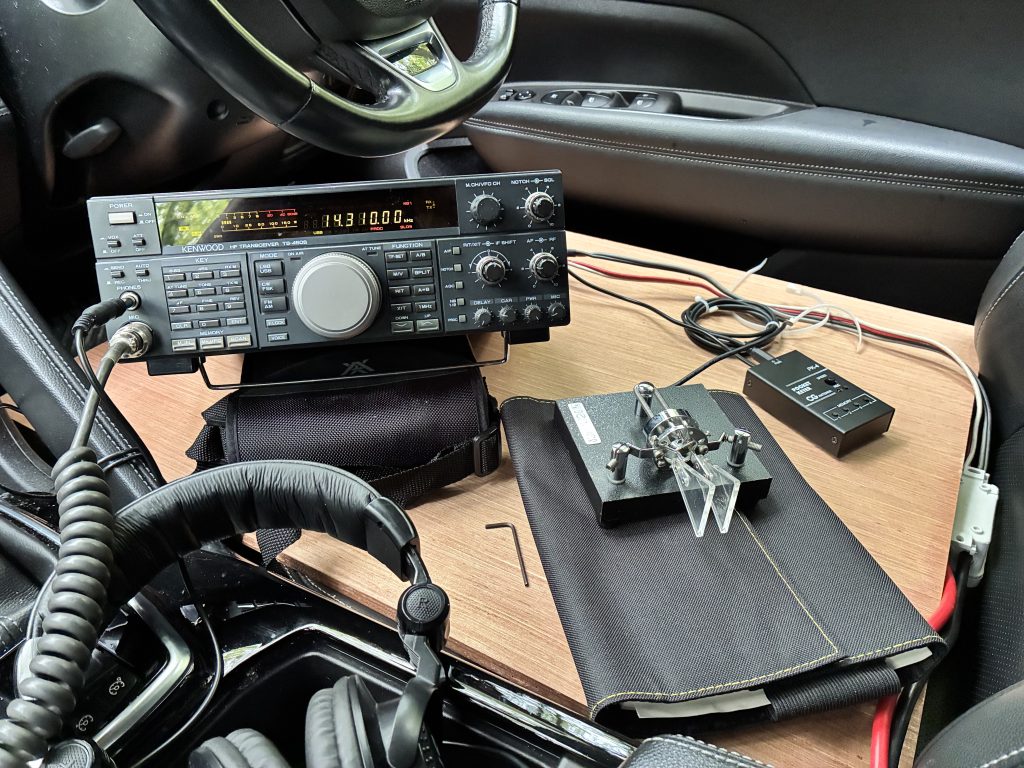
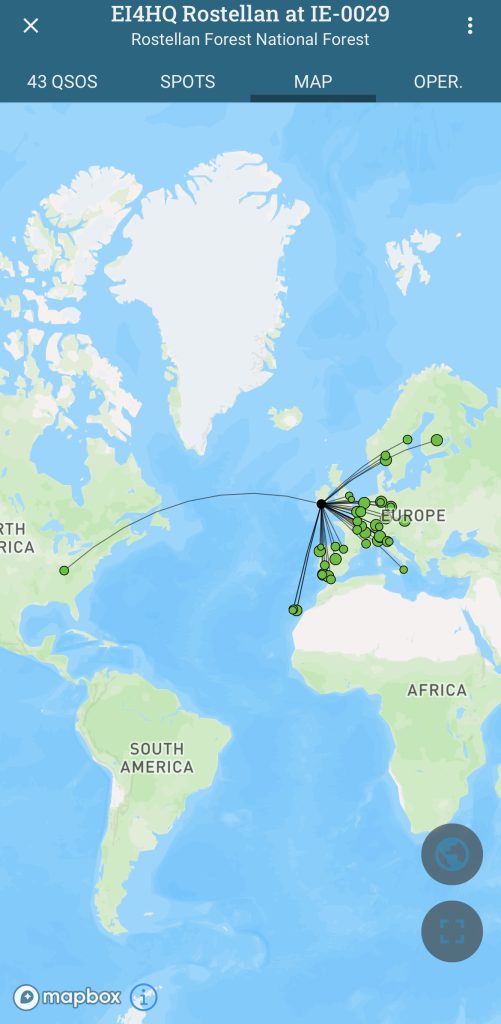
    Murphy’s Law was in full operation as the activation coincided with very poor propagation conditions. Nonetheless, I stuck at it for just over two and a half hours. A big thanks to everyone who took the patience to work me to give me 43 QSOs (50 POTA contacts) across 20M SSB and, for the first time CW. I had some technical issues with CW, a combination of the first time I’ve used a new keyer (yes, I did have the manual with me but misunderstood something it said) and an RFI issue, where my first CW transmissions resulted in the boot (trunk) of my car opening all on its own! All in all, good fun though and proof that even when conditions are poor, you’ll work stations with a bit of persistence.

    My initial attempt at CW operating “/T”. The ergonomics need a bit of work.
    Activation Summary
    QSO Map
  • POTA Activation 2 at IE-0028

    POTA Activation 2 at IE-0028

    My second cut at a POTA activation, with a few enhancements from the first outing. Again, I went to my local woodland, Maralogue IE-0028. Having learned from the first experience, I put my antenna somewhere where the vertical element (uninsulated) wasn’t touching off tree branches all the time. That had played merry hell with the SWR on the last outing! The biggest change I made was the move to Ham2K’s Portable Logger PoLo for logging. What a find (thanks to my radio buddy Vic for the pointer). If you’re interested in POTA or SOTA, or even /P operating more generally, then PoLo is well worth a look, it’s a very well thought through and executed app.

    Antenna mounted well clear of trees this time around.

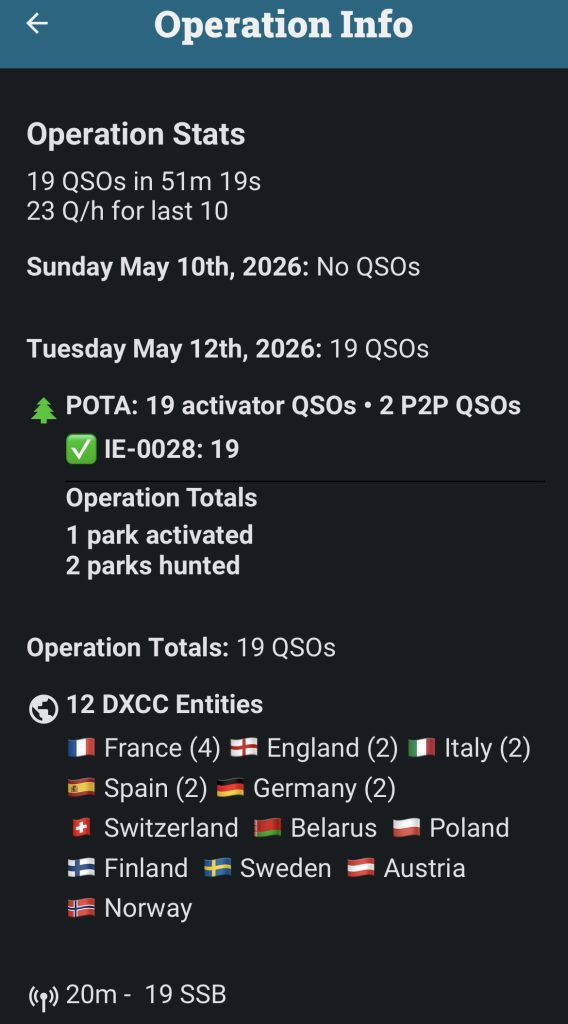
    I stuck with 20M SSB again on this activation and honour was served with a QSO total of 19, one higher than the first outing.

    Activation Summary
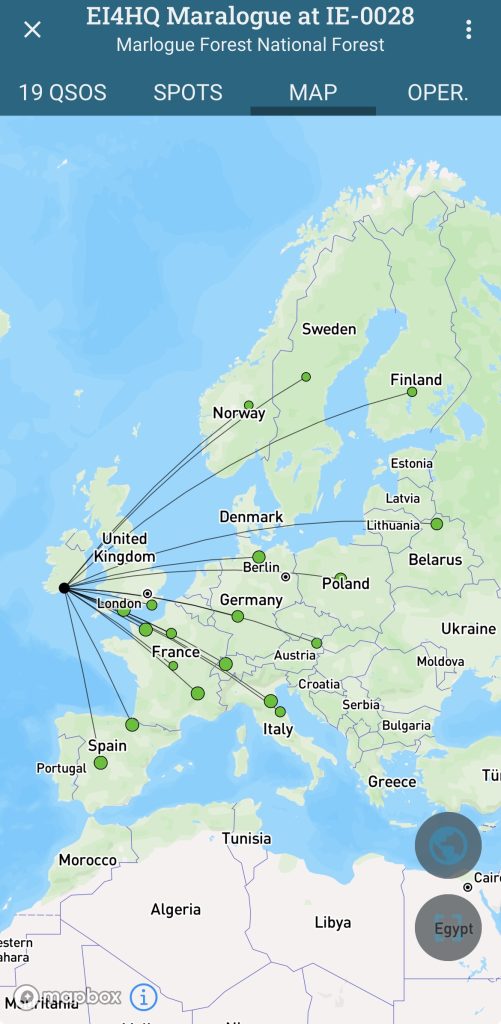
    QSO Map